English


As global industries face mounting pressure to reduce environmental impact, low VOC and green solvents have moved from niche preference to mainstream requirement. Acetate esters — including Ethyl Acetate, Butyl Acetate, Methyl Acetate, and Propyl Acetate — are increasingly chosen as effective replacements for traditional high-emission solvents across coatings, adhesives, inks, packaging, and industrial manufacturing. This shift is driven by stricter regulations, corporate sustainability goals, and growing demand for environmentally responsible supply chains. Manufacturers worldwide are reevaluating their solvent selections not just for performance but for compliance, brand reputation, and long-term supply security. This article explores the market forces accelerating acetate ester adoption and why forward-thinking companies are partnering with reliable acetate ester suppliers like Ruiyang Chemical.
The Global Shift Toward Low VOC Solvent Systems
The chemical industry is undergoing a profound transformation. What was once primarily a conversation about cost efficiency has evolved into a complex decision matrix that balances regulatory compliance, environmental stewardship, supply chain resilience, and carbon reduction targets. Governments and international organizations continue to tighten volatile organic compound (VOC) emission standards, pushing manufacturers to seek greener alternatives. In Europe, the EU Green Deal has set ambitious targets for reducing industrial emissions and promoting sustainable chemicals. Across North America, the EPA's ongoing VOC control programs influence everything from architectural coatings to industrial maintenance. In Asia, export-oriented manufacturers face increasing scrutiny from international buyers who demand documented environmental performance as part of their ESG procurement criteria. Today's procurement decisions reflect this new reality. Companies are no longer selecting solvents solely based on price per kilogram. Instead, they evaluate total compliance risk, alignment with corporate sustainability reports, and the ability of suppliers to provide consistent quality across global markets. Acetate esters have emerged as practical solutions that help manufacturers meet these multifaceted demands while maintaining production efficiency.Why Ethyl Acetate Is Becoming a Preferred Green Solvent in Modern Manufacturing
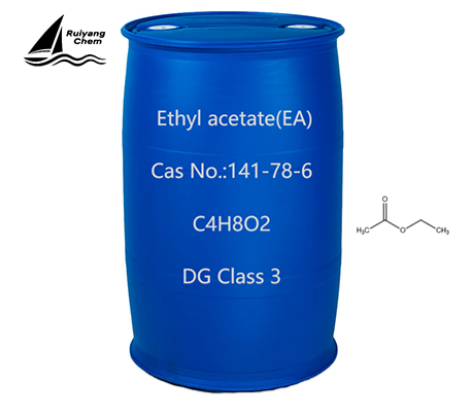
Ethyl Acetate has seen particularly strong demand growth as industries seek reliable low-VOC options. Its versatility makes it suitable for a wide range of applications, from coatings and printing inks to pharmaceutical extraction and electronics cleaning processes. Many manufacturers view Ethyl Acetate as a practical bridge between performance requirements and environmental compliance. In the coatings sector, formulators appreciate its ability to contribute to low-VOC formulations while delivering good solvency and evaporation characteristics. Packaging converters, especially those serving food-contact applications, favor Ethyl Acetate for its favorable regulatory profile and lower toxicity compared to many traditional aromatic solvents. Pharmaceutical producers rely on it for extraction and purification steps where purity and safety are paramount. The electronics industry also increasingly incorporates Ethyl Acetate in cleaning applications where precision and low residue are essential. As global supply chains emphasize traceability and sustainability, Ethyl Acetate's widespread acceptance and established logistics networks make it a strategic choice for multinational operations.| Market Driver | Impact on Ethyl Acetate Demand |
|---|---|
| VOC Regulations | Strong increase in adoption |
| Green Procurement Policies | Accelerated growth |
| Sustainable Packaging Initiatives | Rising demand |
| Export Compliance Requirements | Preferred solvent selection |
How Methyl Acetate Supports the Transition Away from Traditional Solvents
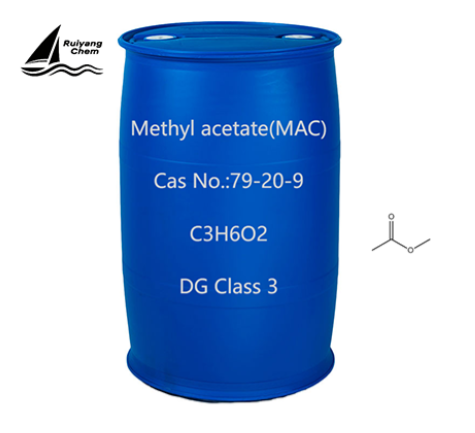
Methyl Acetate has carved out a significant role as companies actively seek alternatives to high-VOC solvents like toluene and MEK. Its fast evaporation rate and strong solvency make it particularly valuable in packaging printing, flexible adhesives, and industrial cleaning applications where rapid drying and effective cleaning are required. Procurement teams in the printing and packaging industries are especially interested in Methyl Acetate as they reformulate products to meet stricter indoor air quality standards and food safety regulations. In adhesives manufacturing, it offers a viable pathway to reduce overall VOC content without compromising bonding performance. Industrial maintenance teams also appreciate its effectiveness in cleaning operations while supporting corporate emission reduction goals.
Butyl Acetate and Propyl Acetate in the Next Generation of Coatings
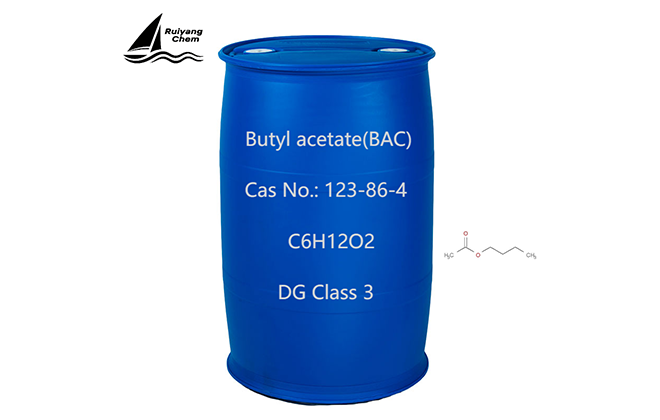
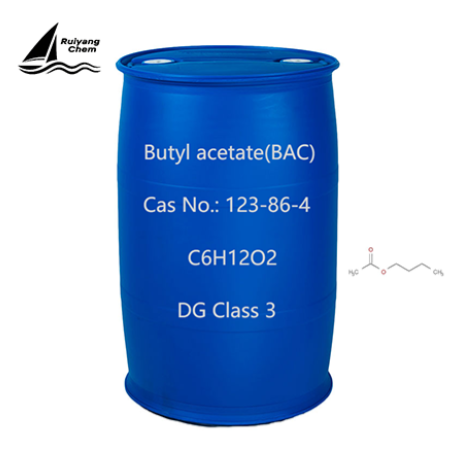
Butyl Acetate and Propyl Acetate are playing increasingly important roles in high-performance coatings development. Automotive refinishing, industrial maintenance coatings, wood finishes, and protective coatings are all areas where formulators are re-evaluating solvent systems to achieve better environmental profiles. Butyl Acetate is valued for its excellent solvency and moderate evaporation rate, making it suitable for applications requiring good flow and leveling properties. Propyl Acetate offers a balance of solvency and volatility that appeals to specialty coating manufacturers. As the global coatings industry prioritizes sustainability alongside performance, these acetate esters provide formulators with flexible options for next-generation low-VOC products.
VOC Regulations Are Accelerating Acetate Ester Adoption Worldwide
Regulatory frameworks around the world are creating powerful incentives for the adoption of acetate esters. In Europe, the EU Green Deal and related VOC directives continue to tighten limits across multiple industries. North American regulators through EPA programs maintain steady pressure on industrial emissions. In Asia, both domestic cleaner production policies and international export requirements are driving manufacturers to upgrade their solvent choices. These regulations are no longer future considerations — they actively shape current procurement strategies. Companies that delay transition risk compliance violations, supply chain disruptions, and competitive disadvantage as customers demand documented sustainability performance.| Region | Major Regulatory Trend | Impact on Solvent Selection |
|---|---|---|
| Europe | EU Green Deal | Strong push toward low-VOC |
| North America | EPA VOC Programs | High influence |
| China | Cleaner Production Policies | Increasing pressure |
| Southeast Asia | Export Compliance | Growing importance |
Market Outlook: Acetate Esters Will Continue Gaining Share Through 2030
Industry analysts project continued strong growth for acetate esters as sustainability becomes embedded in manufacturing practices. Key growth drivers include the expansion of sustainable packaging, electric vehicle production, advanced industrial coatings, eco-friendly adhesives, and electronics manufacturing. The sustainable packaging sector, in particular, is creating substantial opportunities as brands seek solvents compatible with recyclable and compostable materials. Meanwhile, the shift toward electric vehicles is boosting demand for specialized coatings and adhesives where low-VOC solutions are preferred. These converging trends suggest acetate esters will capture increasing market share over the coming decade.Choosing a Reliable Acetate Ester Supplier for Global Markets
In today's complex regulatory and supply chain environment, selecting the right acetate ester supplier is as critical as choosing the right chemistry. Procurement professionals prioritize partners who demonstrate production stability, robust export capabilities, comprehensive regulatory documentation, and reliable global logistics support.| Supplier Evaluation Factor | Importance |
|---|---|
| Stable Production Capacity | High |
| Export Experience | High |
| Regulatory Support & Documentation | High |
| Global Logistics Capability | High |
| Technical Service | Medium to High |
Ruiyang Chemical: Your Trusted Partner for Acetate Esters and Acetic Acid Supply
As industries worldwide transition toward low-VOC and more sustainable solvent systems, selecting a dependable supply partner has never been more important. Ruiyang Chemical specializes in the production and global distribution of acetate ester solvents and acetic acid solutions serving coatings, adhesives, inks, packaging, pharmaceutical, and industrial manufacturing customers. Our comprehensive product portfolio includes:Methyl Acetate (MAC) — Ideal for printing inks, adhesives, and industrial solvent applications.
Ethyl Acetate (EA) — Versatile choice widely used in coatings, packaging, pharmaceuticals, and extraction processes.
Propyl Acetate (PAC) — Supporting advanced coating and specialty chemical formulations.
Butyl Acetate (BAC) — Preferred in industrial coatings, wood finishes, and automotive refinishing.
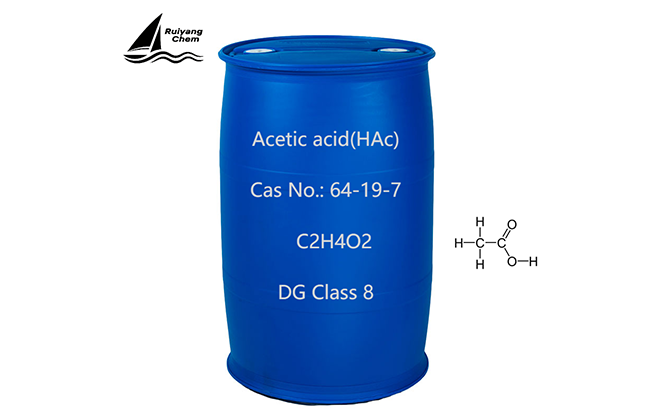
Acetic Acid (HAc) — Essential feedstock for numerous chemical manufacturing processes.