1. As a core solvent for adhesives
Enhancing adhesion and fluidity
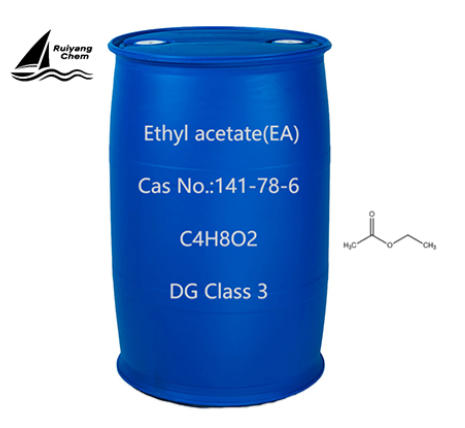
Ethyl acetate and butyl acetate, due to their excellent solubility and quick drying properties, are widely used as solvents for adhesives. For example, when added to polyurethane adhesives or acrylic adhesives, they can reduce viscosity, improve coating uniformity, and accelerate curing (the drying time can be shortened by more than 50%).
Replacing toxic solvents
In environmentally friendly adhesives, they replace solvents such as benzene and toluene, reducing volatile organic compound (VOC) emissions, in accordance with standards such as GB 24409-2020.
2. Directly participating in adhesives synthesis
Polyvinyl acetate (PVAc) emulsion
Ethyl acrylate monomer is polymerized to form "white latex", which has characteristics such as room temperature film formation, good water resistance, and high bonding strength, and is widely used in wood bonding, book binding, textile composite, etc.
Modified copolymer adhesives
By adding crosslinking agents such as methyl acetate and combining with carboxylated styrene-butadiene latex, the water resistance, freeze resistance, and storage stability are significantly improved, suitable for high-humidity environments.
Functional bonding systems
Adding acetate ester solvents to epoxy resins or acrylate AB adhesives to adjust the curing speed and balance of toughness, for example, enhancing impact resistance (acrylic AB adhesives) or increasing hardness (epoxy resin AB adhesives)
3. Auxiliary functional applications
Component of adhesive remover
Ethyl acetate, due to its strong solubility, can quickly soften the residual adhesive layer and be used to remove self-adhesive, label adhesives, etc.
Surface treatment agent
Before bonding plastics or metals, use acetate esters to clean surface oil stains to improve the adhesion of subsequent adhesives.



 English