English


Ethyl Acetate Import Regulations: What Buyers Need to Know Before Ordering
Successful importation of ethyl acetate and other acetate solvents begins with thorough regulatory due diligence. Buyers must understand the specific chemical control frameworks in their destination country, including classification systems, documentation expectations, and any restrictions on hazardous materials handling. Key areas of focus include confirming proper customs classification (HS codes), obtaining required Safety Data Sheets in compliant formats, ensuring accurate labeling, and understanding transportation rules for dangerous goods. Experienced importers know that addressing these requirements early in the procurement process prevents costly delays, storage fees, and potential shipment rejections at the border. A proactive approach involves close coordination with both the Chinese supplier and local customs brokers to verify all necessary paperwork before goods leave the origin port. This preparation significantly reduces risk and supports smoother clearance upon arrival.| Compliance Area | Why It Matters |
|---|---|
| SDS Documentation | Customs clearance and worker safety |
| Product Classification | Correct duty rates and regulatory controls |
| Labeling Requirements | Market entry and legal distribution |
| Transportation Rules | Safe delivery and carrier acceptance |
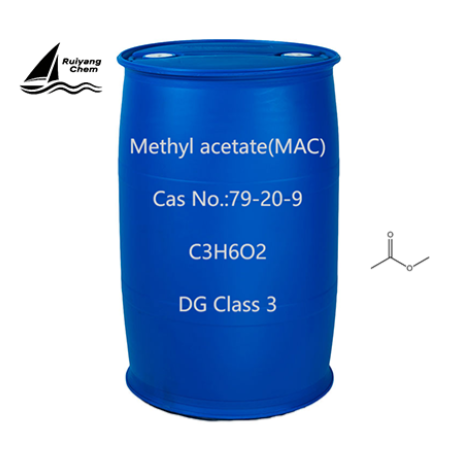
Methyl Acetate and Acetate Solvent Documentation Checklist for International Trade
Complete and accurate documentation is the backbone of successful chemical imports. For Methyl Acetate and other acetate solvents, buyers should ensure they receive a full set of commercial and safety-related papers before shipment. Critical documents typically include the Commercial Invoice, Packing List, Certificate of Analysis, Safety Data Sheet (SDS), Certificate of Origin, and appropriate shipping documentation. Many customs delays stem from incomplete or inconsistent paperwork, making pre-shipment verification essential.| Document | Purpose |
|---|---|
| Safety Data Sheet (SDS) | Product safety information and regulatory compliance |
| Certificate of Analysis (COA) | Verification of product specifications |
| Certificate of Origin | Access to preferential trade benefits |
| Packing List | Logistics and customs management |
| Commercial Invoice | Customs declaration and valuation |
Butyl Acetate Transportation Requirements and Logistics Considerations
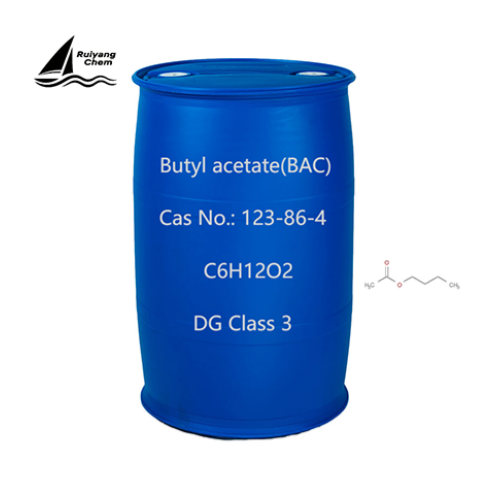
Transportation of Butyl Acetate and similar acetate solvents involves careful planning around dangerous goods regulations, suitable packaging, and efficient routing. Ocean freight remains the most common mode for bulk shipments, requiring compliance with IMDG Code standards for classification, labeling, and stowage. Buyers should work with experienced freight forwarders who understand chemical logistics. Factors such as port selection, transit time reliability, and inventory buffer strategies all contribute to overall supply chain resilience. In 2026, procurement teams increasingly prioritize suppliers who can offer robust logistics coordination alongside competitive pricing.
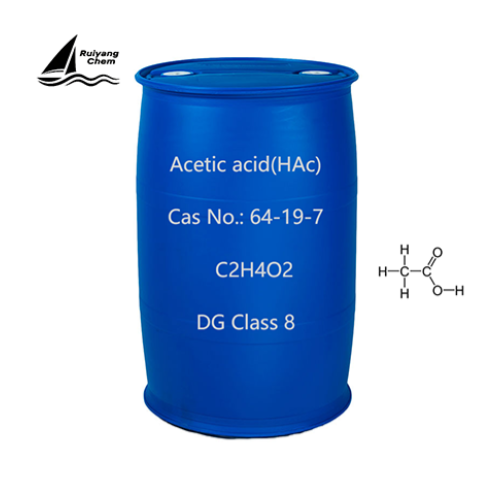
Acetic Acid Import Compliance: Common Challenges and How to Avoid Them
Acetic Acid imports can present specific challenges related to its corrosive nature and regulatory classification. Common issues include incomplete documentation, incorrect HS code declaration, labeling discrepancies, and communication gaps between suppliers and buyers. Many of these problems can be prevented through early engagement with qualified suppliers, thorough pre-shipment document review, and close coordination with customs brokers. Establishing clear communication channels and conducting regular compliance checks helps ensure smooth clearance and minimizes unexpected costs or delays.| Common Issue | Prevention Strategy |
|---|---|
| Missing or Incomplete Documents | Pre-shipment document review checklist |
| Incorrect Classification | Verification with experienced brokers |
| Labeling Problems | Clear supplier instructions and final review |
| Logistics Disruptions | Strong supplier coordination and contingency planning |
How Global Buyers Evaluate Ethyl Acetate Suppliers in China
Modern chemical buyers apply comprehensive evaluation criteria when selecting ethyl acetate suppliers in China. Beyond competitive pricing, they assess production capacity, export experience, regulatory knowledge, logistics capabilities, supply stability, and increasingly, sustainability initiatives. Suppliers who demonstrate transparency, strong documentation support, and proactive communication tend to build lasting partnerships. In a market where reliability matters as much as cost, those who invest in compliance systems and customer service often secure preferred status with international buyers.Why Acetate Ester Buyers Are Prioritizing Supply Chain Reliability in 2026
The procurement landscape for acetate esters has evolved significantly. While price remains important, buyers now place greater emphasis on compliance assurance, supply stability, risk reduction, ESG alignment, and the potential for long-term strategic partnerships. This shift reflects broader industry trends toward resilient and responsible supply chains.Step-by-Step Checklist for Importing Ethyl Acetate and Acetate Solvents from China
Following a structured approach helps ensure successful importation:Confirm local import regulations and classification requirements in your destination market.
Select a qualified and experienced Chinese supplier with strong export capabilities.
Review all product documentation including SDS, COA, and certificates of origin.
Verify shipping and dangerous goods transportation requirements.
Prepare complete customs clearance documentation in advance.
Plan warehouse receiving and storage procedures that meet safety standards.
Establish clear long-term supply agreements for better pricing and reliability.
Frequently Asked Questions About Importing Acetate Solvents from China
Is Ethyl Acetate difficult to import?
With proper planning and complete documentation, importing ethyl acetate is manageable. Challenges usually arise from incomplete paperwork or misunderstanding destination country requirements rather than the product itself.What documents are required for importing acetate solvents?
Typical requirements include Commercial Invoice, Packing List, SDS, COA, Bill of Lading, Certificate of Origin, and any specific permits required by the importing country.How can buyers reduce customs clearance risks?
Work with experienced suppliers and freight forwarders, verify all documents before shipment, use correct HS codes, and maintain clear communication throughout the process.What should I look for in a Chinese acetate solvent supplier?
Key factors include production capacity, export experience, regulatory knowledge, quality consistency, logistics support, and willingness to provide necessary documentation.How long does international shipment usually take?
Ocean freight from China typically takes 20-45 days depending on destination port and routing. Air freight is faster but more expensive and subject to dangerous goods restrictions.Ruiyang Chemical: Your Trusted Partner for Ethyl Acetate and Acetate Ester Supply
Import success depends heavily on choosing the right supplier. Ruiyang Chemical specializes in the production and global supply of acetate esters and acetic acid, serving customers in coatings, adhesives, packaging, inks, pharmaceuticals, and industrial manufacturing sectors worldwide. Our portfolio includes Ethyl Acetate (EA), Methyl Acetate (MAC), Propyl Acetate (PAC), Butyl Acetate (BAC), and Acetic Acid (HAc). With extensive export experience, strong documentation support, and reliable logistics coordination, Ruiyang Chemical helps international buyers import acetate solvents smoothly and compliantly.Looking for a Reliable Acetate Solvent Exporter from China?
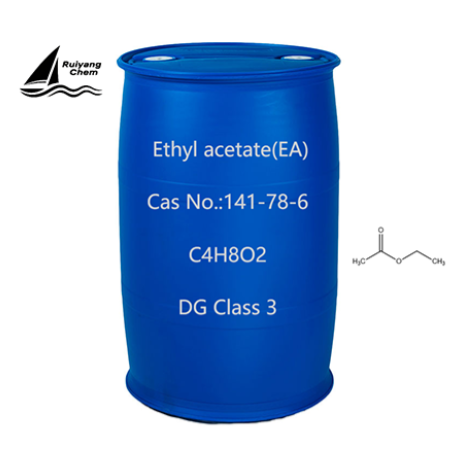
Explore our product categories:Ethyl Acetate (EA)
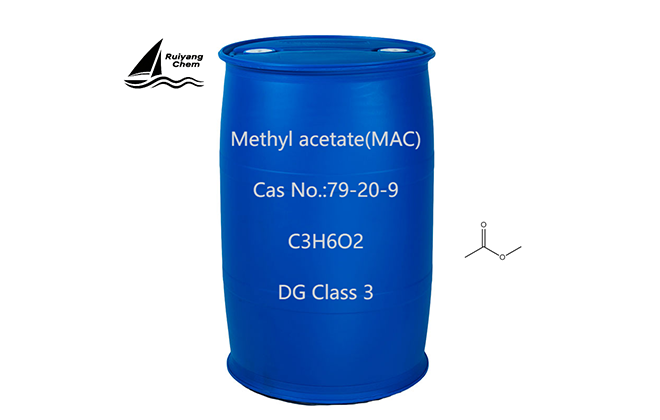
Methyl Acetate (MAC)
Propyl Acetate (PAC)
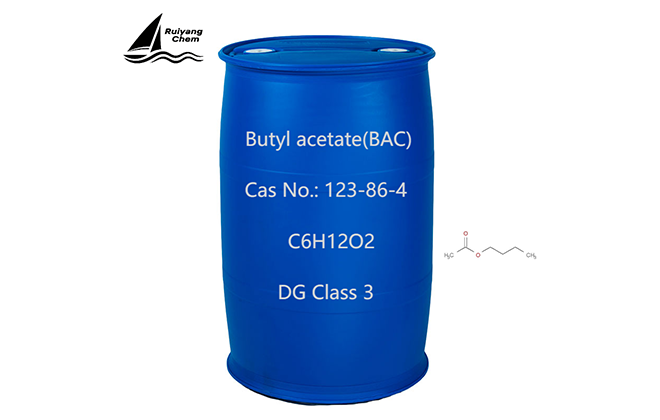
Butyl Acetate (BAC)
Acetic Acid (HAc)