Polyurethane Resin
Ethyl acetate and butyl acetate, as the core solvents, can effectively dissolve polyurethane resins, enhance processing fluidity, and shorten the drying time; replacing toxic solvents such as toluene can reduce health risks.
The addition amount needs to be precisely controlled to avoid excessive evaporation that leads to uneven resin curing.
Nitrocellulose and cellulose acetate
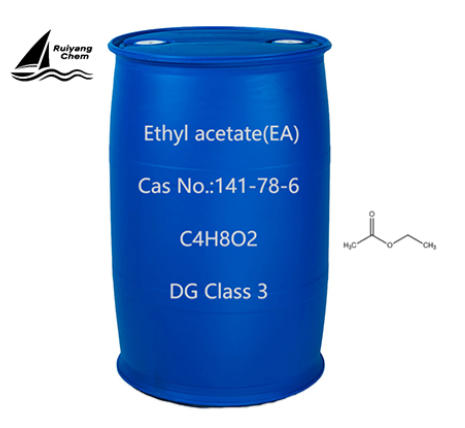
Ethyl acetate has a high dissolution efficiency for nitrocellulose and is used in automotive paints and wood coatings, forming uniform paint films with a 20% increase in gloss.
Ethyl propionate dissolves acetobutyric acid cellulose, enhancing the flexibility and transparency of plastic films.
Vinyl resins and synthetic rubber
Ethyl acetate has strong solubility for chlorinated rubber and ethylene resins, used in anti-corrosion coatings and industrial coatings.
As a dispersing medium in synthetic rubber processing, it ensures the uniformity of component mixing.
Volatile rate regulation
Fast-drying requirement: Ethyl acetate (boiling point 77℃) accelerates the drying of resin coatings, suitable for line spraying.
Gradient drying: Combinations of ethyl butyrate (boiling point 126℃) or high-boiling-point DBE solvents (dibasic esters) avoid paint film cracking and enhance coating durability. Environmental replacement technology
Ethyl amylate and tert-butyl acetate due to their low photochemical reactivity (low O₃ generation potential) replace benzene-based solvents, reducing VOC emissions by 30%-50%, in accordance with GB 24409-2020 standard 811.
Biobased acetates (such as acetate cellulose derivatives) have a 40% increase in degradability, suitable for green packaging material resin systems.



 English